Safari trips, especially to Africa, don’t just conjure up overnight. With millions of acres of prime habitat and nearly 54 countries to choose from, even the most hardened nature lover would be at odds and ends in organising an unforgettable getaway to view African animals in the wild.
This post, based on an excellent and independent review system, will answer all your questions in making your next safari vacation to the Dark Continent a seamless one. Just keep these 7 nifty tips in mind before booking your next escapade.
Take expert advice
No matter how much you surf the internet, nothing can beat a first hand source of information when it comes to planning an African safari. An established travel agency or a person who has stayed most of his life on ground zero will provide valuable data for the following:
- Knowledge about the countries you intend to visit.
- Reputation of a specific lodge and its safari activity.
- Insurance protection for your travel investment.
- Details on flights, transfers, vehicle hire, accommodation etc.
- 24×7 customer support during the entire trip.
Good travel planning reduces risks and increases returns. A good agent can organise a safari which you can end up praising for the rest of your life. Embarking on an African Safari with Naturetrek would be an excellent choice.
Target one destination
Safari’s should be planned with a specific goal in mind, and tailored to address your requirements and unique travel concerns. While some dream of seeing mountain gorillas in Rwanda or a Gorilla Tours and Safari in Uganda, the Big Five in Kenya or spot endemic bird species in Bwindi National Park; the animal closest to your heart will finally be the deciding factor for choosing your destination.
Once you have a primary location chalked out and know the rough dates, you can start doing research on other nearby attractions and experiences which can enrich your safari goal. Important things like traveling with seniors, young children or wheelchair friendly properties, all should be thought of before a flight, possibly halfway round the world.
Get your timing right
An African safari is all about being at the right place at the right time. Seasonal climate changes, like rainfall, affect most of the safari experiences in a big way. Your preferred travel dates and the time at your disposal will, therefore, make the difference to the success or failure of your trip.
Now that you have a safari goal and an itinerary in mind, you must carefully choose your dates to target the animal you want to see. If you are traveling during the peak dry season, book a year in advance.
During the wet season, prices are low, animal spotting tricky, landscape is picturesque and the birding is at its best. Additionally, you can easily find good accommodation just two months before you go.
Determine your safari type
Going on a safari is not all about roaming in the morning and evening aimlessly in a 4×4 in the quest for wildlife. Your safari style will be largely influenced by the people who are traveling with you.
- Canoeing safari: you can travel with any age group. This quiet trip allows you to get close to animals and birds easily.
- Hot air balloon safari:These are conducted in just a handful of countries and need to be booked at least two weeks beforehand. A great way to see animals from above.
- Photo safari: Customised photo safaris are conducted for both amateur and professional photographers with facilities for tuition and advice.
- Self-drive safari: Self drive safaris in 4×4 vehicles are possible in most of the big African safari countries between lodge to lodge.
- Walking safaris: Another safe, but adventurous way to explore the wildlife areas in Africa. Armed and trained guides will share their knowledge of the ecosystem on the way.
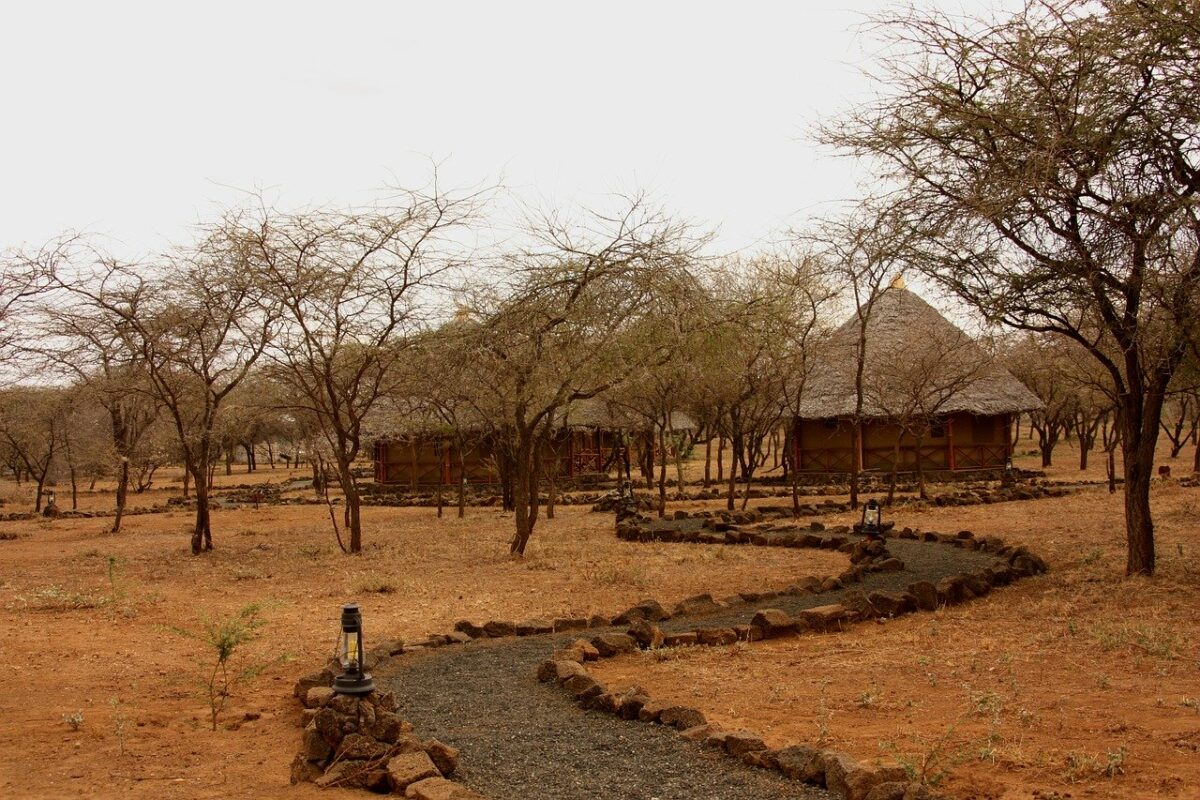
Select the right property
There is no doubt that good and comfortable accommodation offering tasty food can be a welcome asset on any safari trip, but you must ensure that the quality of the place you stay in doesn’t compromise with the wildlife interaction. After all, this is what you have traveled thousands of miles to actually see.
When deciding on which resort to rest your head on a pillow, try to determine its exact location. This is because some resorts enjoy a vantage point, while many others do not. If, for example, your accommodation is positioned over a waterhole, there is every chance of seeing wild animals coming for a drink. These moments, of seeing wildlife right in your backyard, make for memorable experiences.
National Parks/ Private reserves
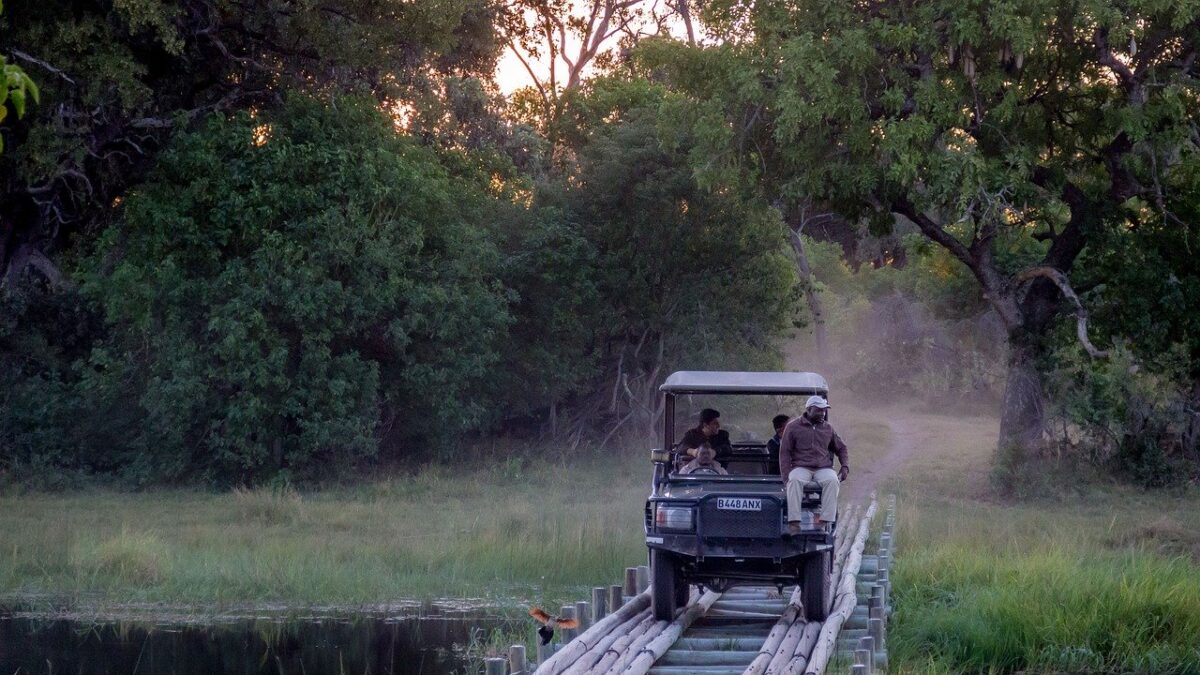
It is extremely important to understand the role the National Parks and Private reserves play before planning your trip to Africa. While the former run under the supervision of the local council or government, the latter are owned by a group of lodge owners who operate them as private reserves. In a National Park there is unrestricted entry for visitors, resulting in traffic jams during game drives on busy days. Vehicles stay on designated routes and run only till the daylight hours.
A private reserve offers a truly exclusive safari experience as the number of guests is limited. Here the rules governing the National Parks do not apply and vehicles can drive anywhere and at anytime, even at night, in search of nocturnal animals. Additionally, private lodge owners offer activities like horseback riding, biking or walking safaris, depending on the requirements of the guests. These special trips come at a price, but are worth every penny if you can afford it.
Get a lay of the land
Understanding the topography of the area you intend to visit is another vital aspect of a successful safari trip to Africa. By having a fair idea about the terrain, whether hilly or flat or having tall bushes and trees, can all make a huge impact on the sighting of animals.
Rivers are like magnets for animals who come in large numbers to drink, so if the season is hot and the river bed is dried up, wildlife viewing along the river will be negligible.
The conservancies with grass, open plains and rivers thriving with water will ensure that there is no shortage of action as far as animal numbers are concerned. The sights of hundreds of creatures on the plains and the crocodiles and hippos in the river can be exhilarating.
A safari in the African savannah is meant to be a trip of a lifetime. Once you have the initial groundwork and planning out of the way, it is smooth sailing there on. The excitement of witnessing some of the most magnificent animals on earth in their natural habitat is incomparable.