
Packing is one of the trickiest parts when it comes to planning your travel. It may become more complicated when packing for a backpacking trip. You may need to manage the weight of the baggage that you haul on your back.
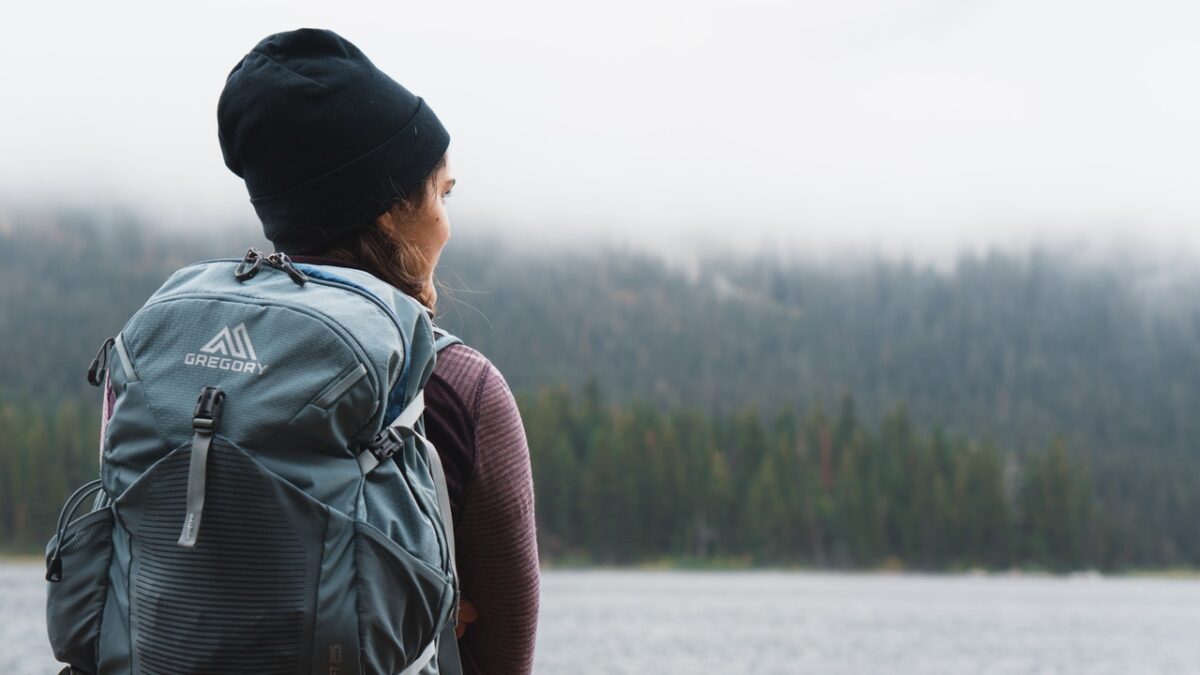
You may need to read and research widely to identify travel essentials that you should always have in your backpack. Here are 13 items that you should consider having for your next outdoor trip.
Backpack
The most critical part of your travel gear is the backpack. You may need to choose a lightweight, compact and ergonomic bag that’s spacious enough to fit all your items. The backpack should also be waterproof.
You need to ensure that the bag is fitted correctly for equal weight distribution across your shoulders and back. An ill-fitted backpack can cause short-term discomfort and long-term medical issues.
Packing Cubes
While your backpack may have multiple compartments for storage, it’s pretty easy to get super disorganized during your trip. Packing cubes allow you to roll up your clothes and organize them in several pouches.
Packing cubes are often lightweight, making it easier for you to carry the backpack around while organized. It can allow you to find items in your bag quicker without making a mess.
Torch and Extra Batteries
Using your phone’s flashlight can quickly drain the battery juice while out in the world. You can invest in powerful tactical flashlights to light your way to the campsite. Purchasing a torch with adjustable zoom focus can help you adjust the light beam to a comfortable level. Remember to bring along an extra set of batteries and a charger.
Ear Plugs
Your pair of headphones is among your most frequently used travel accessories. Earplugs can help you drown out the ambient noise around you in situations where you can not wear your headphones.
The earplugs may do more than just block out your noisy seatmate on the flight to get some sleep. Travel earplugs can regulate ear pressure and stave off motion sickness.
Medical Kit
Health and safety precautions should be a priority as your pack for your trip. Burns, scrapes, splinters, or cuts can occur at any point. You may need to pack essential medication and a first aid kit for your travels.
The kit may have pain relievers, band-aids, bandages, gauze, and numbing cream. You can also add laxatives, cold medication, and allergy remedies. You are not to forget personal prescriptions that include your eyeglasses or contacts.
Bug Repellant
Camping may be an excellent way to explore the outdoors during your backpacking trip. You may also get to save you money on your accommodation budget. You can carry a bug repellant to keep you from being bit. Ensure that the repellant does not react with your skin.
Sunscreen
Sun protection is essential for all travelers. You can protect your skin by investing in a sunscreen cream. Sunscreen can protect you from dangerous UV light, especially if you love the window seat on a plane.
UV rays increase at least 2% for every 1000-foot rise in elevation. At 37000 feet, you may expose your skin to harmful rays. Apply your sunscreen before getting on the plane.
Wipes
You may need to keep any wounds you get on your trip clean. Disinfection wipes may provide an excellent alternative to carrying disinfectants. With the Coronavirus still present, you can reduce your risk of exposure by disinfecting your hands with a wipe.
For the moments that you may not have the chance to shower, sports body wipes can help you freshen up. You can use the wipes to remove dirt and sweat, leaving you smelling good.
Phone Lanyard
Your smartphone can serve multiple purposes during your backpacking trip. You can use the phone to book your next flight, check navigation, maps, or internal compasses, and identify attraction sites to tour.
You can invest in a sturdy phone lanyard that allows you to hang your phone over your neck. It may reduce the stress of having to unpack your backpack to get to it. You can take photos on the go without worrying about the phone dropping from your hands.
Universal Power Adaptor
Globetrotters understand the challenge of the varying electrical grids and power ratings in different countries. With over 15 types of charging ports worldwide, you might find a challenge powering your phone, laptop, or torches.
You can invest in a universal power adaptor that can help you charge in different countries. You may need to invest in quality adaptors with surge protection to avoid shorting your electronics.
Portable Charger and Cables
The continuous video taking and documentation of your trip can quickly drain your battery. Your phone’s juice may always go low before the end of a day’s adventure. You can boost your phone’s battery life with a powerbank.
A powerbank may have the capacity to store up to five battery charge cycles. You can avoid falling off the grid by investing in quality portable charge and cable accessories.
Compact Toiletries
A common dilemma for most backpackers is determining the right amount of toiletries to carry. You can save on space by transferring your lotions and shampoos into smaller bottles. A general rule of thumb is to have enough toiletries to last you at least a week.
You can opt for multi-purpose toiletries that serve as soap, laundry detergent, shampoo, and dish cleaning agents. The super-concentrated concoction may be able to last you a few months before you can replenish.
Travel Documents
You may need to get your travel documents in order. Always have extra digital and physical copies of your passport. You can invest in a travel wallet to carry all your travel documents, bank cards, and hotel key cards at once.
It would be best if you also took out travel insurance before your trip. The coverage can bail you out on many occasions including lost items, canceled flights, or mysterious illnesses.
Conclusion
Packing for your backpacking trips can be challenging, especially when less is always better. You may need to do a lot of research to identify the right backpacking gear to bring with you. You can use the packing list above as a baseline.