
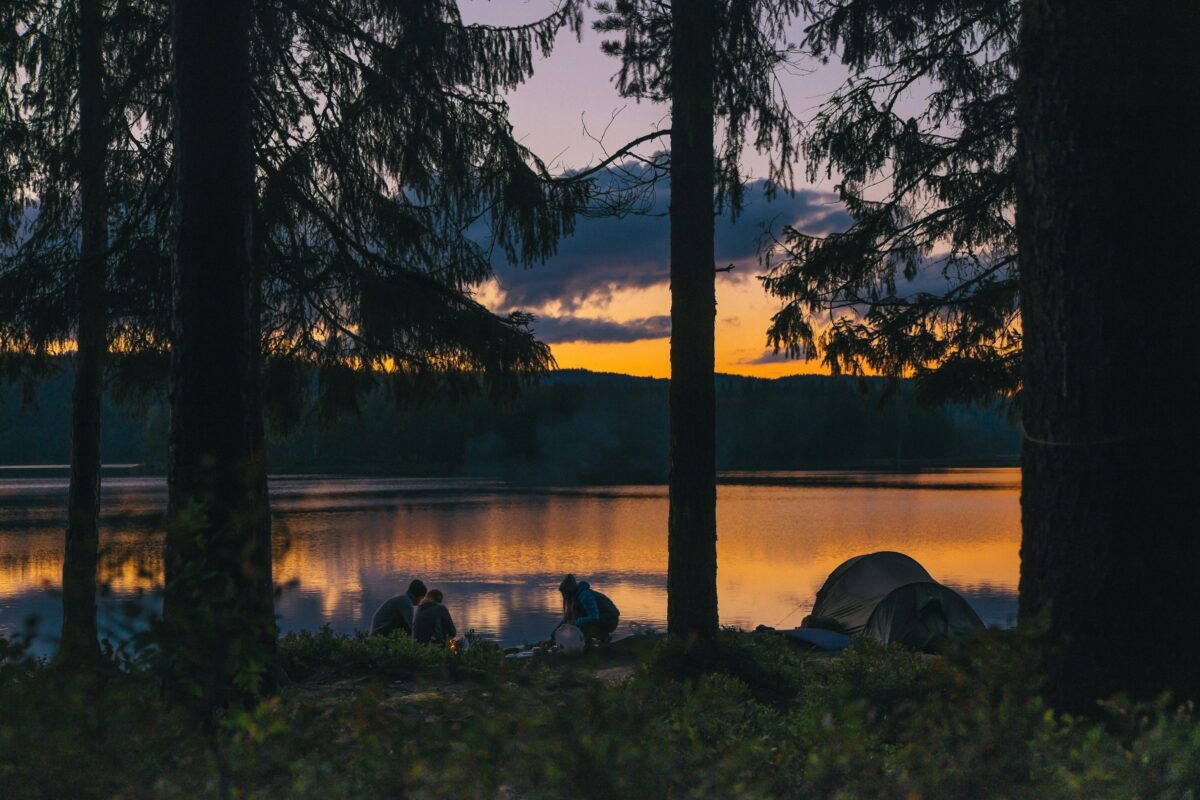
Venturing into the wilderness for a camping trip can be a thrilling escapade, offering a rare chance to bond with nature, escape the daily grind, and hone your survival instincts. Yet, it demands meticulous planning and a sharp awareness of your environment. Here are some top-notch tips to make your wild camping journey safe, delightful, and unforgettable.
1. Scout Your Destination
Before setting off on your adventure, dive deep into researching your chosen locale. Get to know the landscape, weather patterns, local fauna, and any lurking dangers. This intel will guide your packing and prep for any hurdles you might face. Also, check if you need any permits and get acquainted with local rules to camp legally and responsibly.
2. Gear Up Wisely
Your equipment can make or break your camping escapade. Must-haves include a robust tent, a cosy sleeping bag, and a comfy sleeping pad for a restful night. A dependable backpack, portable stove, cooking gear, and ample food and water are also essential. Don’t forget a first aid kit, a map and compass or GPS, a multi-tool, and weather-appropriate clothing.
You should also think about protecting your eyes from unexpected hazards, especially if you are camping in the backcountry. If your camping plans include hunting or target practice with a group of your friends, standard sunglasses are not enough. You need durable eyewear that meets strict safety standards to prevent injuries from branches or ricochets. Investing in quality glasses helps you see clearly while keeping your eyes safe. A simple addition like this protects your vision during any high-impact outdoor activity.
Remember, in the wild, self-reliance is key.

3. Plan Your Provisions
Good nutrition and hydration are crucial. Plan your meals with lightweight, non-perishable, and energy-packed foods. Dehydrated meals, nuts, trail mix, and energy bars are great picks. Always carry more water than you think you’ll need, and bring a reliable water purification method, like a filter or purification tablets, for wild water sources.
4. Embrace Leave No Trace
Caring for the environment is vital. Follow Leave No Trace principles to minimise your impact. This means packing out all trash, avoiding harm to vegetation, and camping on durable surfaces. Bury human waste at least 100 metres from water sources, trails, and campsites. By adhering to these practices, you help preserve the wilderness for future explorers.
5. Be Wildlife-Wise
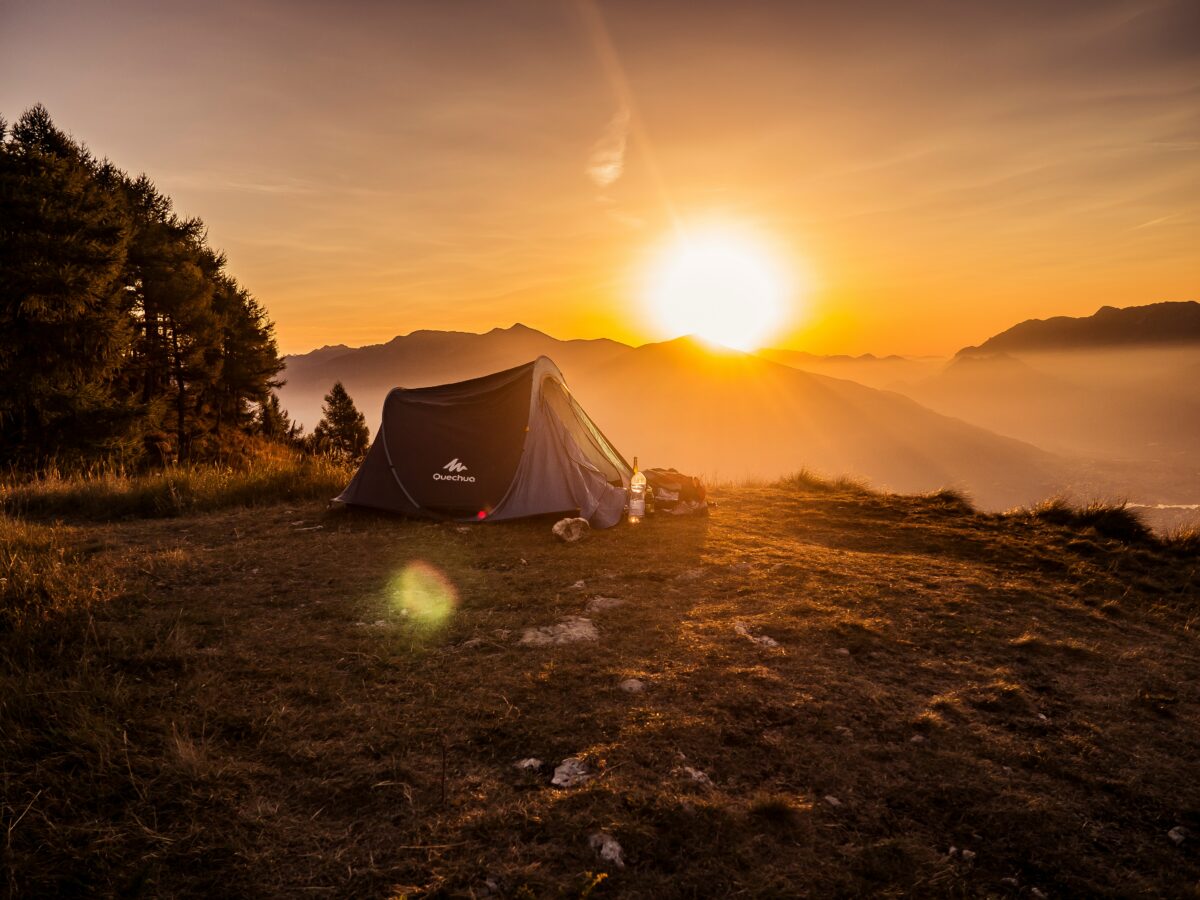
Wild creatures are part of the wilderness charm, but they can be hazardous. Store food in animal-proof containers or hang it from a tree to keep animals at bay. Make noise while hiking to avoid startling wildlife, and always keep a safe distance. Learn about the local animals and how to handle encounters by taking Bushcraft courses.
6. Prepare for Emergencies
In the wild, help might be far away. Equip yourself with a first aid kit and know how to use it. Learn basic first aid and survival skills, like fire-building, compass navigation, and water sourcing. Carry a whistle, signalling mirror, and a fully charged phone or satellite communicator for emergencies.
7. Weather the Weather
Wild weather can be unpredictable. Check the forecast before your trip and be ready for sudden changes. Pack layers to adapt to different temperatures and conditions, and always have rain gear. If severe weather hits, seek shelter immediately and avoid exposed areas like ridgelines and open fields.
8. Pick the Perfect Campsite
Choosing the right campsite is key. Look for flat, dry ground away from hazards like falling rocks or flooding. Avoid camping too close to water sources to prevent contamination and unexpected water level rises. Ensure your site is sheltered from strong winds and offers some protection from the elements.
By following these tips, you can elevate your wild camping experience, ensuring it’s safe, sustainable, and enjoyable. Happy camping!